Solar Inverter Manufacturers in Pune | National Solar System
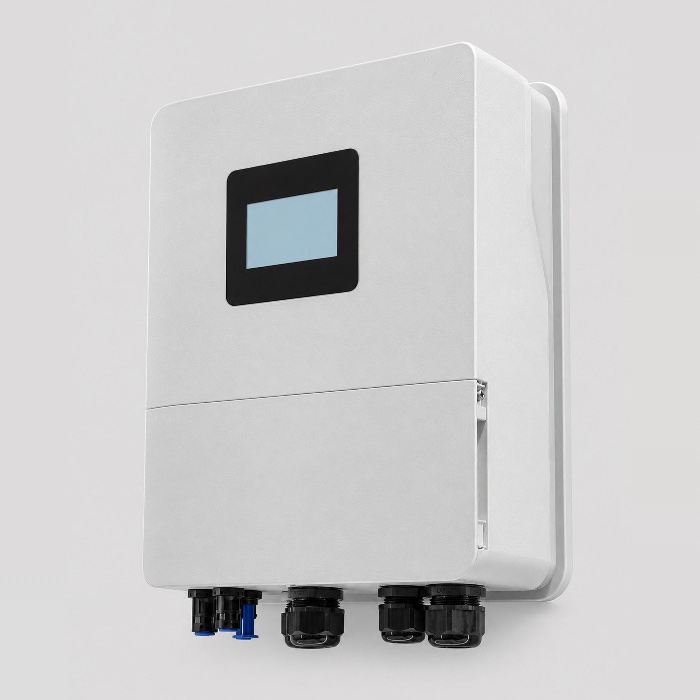


National Solar System is trusted Solar Inverter Manufacturers, Suppliers, Dealers, Traders, Wholesalers and Exporters in Pune. We deliver efficient and cost-effective solar inverter solutions for residential, commercial, and industrial applications. As a leading solar company, we offer reliable Solar Energy Equipment to meet diverse electricity requirements.
We prioritize product quality, competitive pricing, and reliable technology to meet diverse electricity requirements. Our range of solar inverter systems helps customers choose suitable equipment based on installation size, energy consumption, and budget.
From product selection to installation guidance and after-sales support, we focus on providing a smooth and dependable customer experience. With our commitment to performance, value, and practical solar technology, we help customers maximize solar energy utilization and move towards a more energy-efficient future.
What Is a Solar Inverter and How Does It Support Solar Power Generation?
A solar inverter transforms the direct current (DC) produced by solar panels into alternating current (AC) required to operate household appliances, commercial equipment, and industrial machinery. Modern Solar PV Inverter technology also helps regulate power conversion, monitor system performance, and manage battery storage or grid connectivity in compatible models. As the renewable energy inverter sector continues to evolve, these devices play a vital role in improving solar power utilization and supporting efficient, reliable renewable energy installations.
Reliable Solar Inverter Services
As Solar Inverter Service Providers in Pune, we focus on product selection, professional installation, system integration, and technical assistance to help customers make effective use of solar energy. Our services are tailored to different power requirements, supporting efficient operation and long-term system reliability.
- Solar Inverter Consultation and Selection: We help customers select a suitable Solar Power Inverter based on electricity consumption, solar panel capacity, battery requirements, installation type, and budget.
- Professional Solar Inverter Installation: We assist with Solar Inverter Installation, including suitable equipment placement, compatible electrical connections, safety checks, and commissioning for dependable system operation. Our technical guidance helps ensure that solar power professionals install inverters according to equipment specifications and applicable safety requirements.
- Solar Inverter Repair and Maintenance: Our Solar Inverter Repair and Solar Inverter Maintenance support includes performance inspections, fault identification, and troubleshooting to help maintain efficient operation and minimize unexpected interruptions.
- Solar System Integration and Monitoring: We help integrate compatible batteries, grid connections, and solar inverter online monitoring options so customers can track energy generation and review system performance more conveniently.
Working Principle of a Solar Inverter
A solar inverter converts the Direct Current (DC) generated by solar panels into Alternating Current (AC) suitable for household appliances, commercial equipment, and compatible electrical grids. The working process involves several important stages that support efficient solar power conversion.
- Solar Energy Generation: Photovoltaic cells absorb sunlight and generate DC electricity, which serves as the input for the Solar PV Inverter.
- DC Power Input: The inverter receives electricity from the solar panels and operates within its specified voltage and current limits to support safe and efficient power conversion.
- Maximum Power Point Tracking (MPPT): The MPPT function continuously adjusts the operating voltage and current to help extract available solar energy under changing sunlight and temperature conditions.
- DC-to-AC Conversion: Internal semiconductor switching circuits convert DC electricity into alternating current, enabling a Solar Power Inverter to supply electricity for compatible appliances and electrical systems.
- Waveform Filtering and Regulation: Electronic control and filtering circuits help produce a stable AC output that meets the inverter's specified voltage, frequency, and power-quality requirements.
- Grid Synchronization or Battery Management: Grid-connected models synchronize with the utility supply, while compatible hybrid and off-grid models manage battery charging and discharging according to their configuration.
- Power Supply and Monitoring: The converted electricity supplies connected loads, while supported monitoring features help users review energy generation, operating status, and system alerts through a display or Solar Monitoring Application. These functions rely on advanced Solar Power Electronics within the inverter.
Types of Solar Inverters
As Solar Inverter Manufacturers, Suppliers, Dealers, Traders, Wholesalers and Exporters in Pune, we offer a range of inverter solutions to meet diverse residential, commercial, and industrial solar power requirements.
- String Solar Inverter: A string inverter connects multiple solar panels in a series and converts their combined DC output into AC electricity for residential or commercial use. This cost-effective Solar Inverter Solution is ideal for rooftops with consistent sunlight, similar panel orientations, and minimal shading. An Industrial String Inverter can also be considered for suitable commercial and industrial installations, depending on the system's capacity and design.
- Microinverter: They convert DC electricity into AC power at individual solar panels, allowing each panel to operate more independently. Microinverters are particularly suitable for shaded rooftops or installations with multiple roof angles, offering panel-level monitoring and improved system flexibility. A Residential Solar Microinverter can be a suitable choice for homes where individual panel performance and flexible rooftop layouts are important.
- Power Optimizer Inverter System: Power optimizers regulate the DC output of individual solar panels before sending electricity to a central string inverter for conversion. This configuration helps reduce the effects of panel-level shading and supports detailed performance monitoring without replacing the central inverter.
- Hybrid Solar Inverter: A Hybrid Inverter manages solar panel generation, electricity consumption, and compatible battery storage within one integrated system. A Solar Hybrid Inverter with Battery can store surplus solar energy and provide backup power during grid outages when the inverter, battery, and system configuration support this function. A Three Phase Hybrid Solar Inverter may be suitable for larger homes and commercial facilities with compatible three-phase loads.
- Off-Grid Solar Inverter: These inverters convert DC electricity from a solar array or battery bank into AC power without depending on a utility grid connection. They are suitable for remote homes, farms, and isolated facilities that require an independent electricity supply with appropriately sized battery storage. An Industrial Off Grid Solar Inverter can support remote industrial operations when correctly sized for the required loads and battery configuration.
- On-Grid Solar Inverter: A Grid Tie Solar Inverter converts solar-generated DC electricity into grid-compatible AC power and synchronizes its output with the utility supply. It is a practical choice for grid-connected homes, offices, and commercial buildings seeking to use solar electricity and potentially export surplus power where regulations permit. A Three Phase Solar On Grid Inverter is an option for installations with compatible three-phase electrical connections.
- Power Optimizer-Based String Inverter: This system combines panel-level power optimizers with a central inverter to improve energy harvesting when individual panels experience different operating conditions. It is useful for rooftop Solar Power Systems that require panel-level monitoring and better management of moderate shading or varied panel orientations.
Technical Specifications of Solar Inverter
As Solar Inverter Suppliers, Manufacturers, Dealers, Traders, Wholesalers and Exporters in Pune, we help customers understand essential technical specifications to select suitable inverters for their solar installations.
| Specification Category | Technical Parameter / Typical Range |
|---|---|
| DC Input | PV Capacity: 1.5 kW to 50 kW+; MPPT Range: 60–1000 V; Start-up Voltage: 41–100 V |
| DC Input | PV Oversizing: Up to 130–150%, depending on model specifications |
| AC Output | Rated Power: 1–50 kW+; Output Voltage: 230 V single-phase or 415 V three-phase |
| AC Output | Frequency: 50 Hz; Waveform: Pure sine wave or grid-compatible AC; THD: Below 3% in selected models |
| AC Output | Power Factor: Typically above 0.9, depending on model |
| Efficiency | Peak Efficiency: 93–98.7%; Weighted Efficiency: Approximately 97.5–98%+ in selected models |
| Environmental Protection | IP Rating: IP20/IP21 for some indoor models; IP65/IP66 for suitable outdoor models |
| Environmental Protection | Operating Temperature: Approximately −25°C to +60°C, depending on model and derating |
| Safety Features | Overvoltage, undervoltage, overload, short-circuit, overtemperature, and anti-islanding protection, where supported |
| Connectivity | Wi-Fi, Ethernet, GPRS, or compatible online monitoring, depending on model |
| Standards and Compliance | Applicable IEC standards and Indian BIS/MNRE requirements, as relevant to the product |
A 5kW Solar Inverter may suit smaller residential or light commercial installations, while a 10kW Solar Inverter may be appropriate for larger rooftops or higher electricity consumption. The final selection depends on panel capacity, load demand, phase requirements, and the inverter's specifications.
Actual specifications vary by manufacturer and model. A High Capacity Solar Inverter should be selected after evaluating the total connected load, solar array capacity, operating conditions, and any battery or grid-interaction requirements.
Key Features of Solar Inverter
As Solar Inverter Dealers, Suppliers, Manufacturers, Traders, Wholesalers and Exporters in Pune, we focus on inverter features that support efficient power conversion, dependable operation, and convenient system monitoring.
- Efficient Power Conversion: A modern Solar Energy Inverter converts DC electricity generated by solar panels into usable AC power while minimizing energy losses.
- Advanced MPPT Technology: Maximum Power Point Tracking helps optimize solar panel output under changing sunlight and temperature conditions.
- Flexible Capacity Options: A wide range of solar inverter systems supports residential rooftops, commercial buildings, and industrial power requirements.
- Smart Monitoring Capabilities: Compatible solar inverter online monitoring features help users track energy generation, operating status, and performance alerts.
- Integrated Safety Protection: Depending on the model, built-in safety functions help protect the inverter against electrical faults, overheating, and grid disturbances.
- Application-Specific Configurations: A Custom Solar Inverter configuration may be considered where project requirements call for particular power ratings, operating modes, monitoring options, or system integration capabilities, subject to manufacturer availability.
Benefits of Solar Inverter
As Solar Inverter Wholesalers, Traders, Dealers, Suppliers, Manufacturers and Exporters in Pune, we help customers explore practical solar inverter options that support energy efficiency and effective power management.
- Reduced Electricity Costs: A properly sized Solar Power Inverter helps households and businesses use solar-generated electricity and reduce their reliance on utility power.
- Better Energy Utilization: Efficient DC-to-AC conversion makes solar electricity suitable for operating compatible appliances, machinery, and electrical equipment.
- Reliable Backup Power: A Solar Hybrid Inverter with Battery can supply selected loads during grid outages when the system supports backup operation.
- Flexible System Configuration: On-grid, off-grid, and hybrid inverter technologies accommodate different installation needs, energy consumption patterns, and battery requirements.
- Long-Term Energy Savings: A well-planned solar installation can help manage electricity expenses over time while supporting the adoption of renewable energy.
Applications of Solar Inverter
As Solar Inverter Exporters, Wholesalers, Traders, Dealers, Suppliers and Manufacturers in Pune, we provide inverter solutions for a variety of residential, commercial, agricultural, and industrial applications.
- Residential Rooftops: A Solar Inverter for Home converts solar panel output into usable electricity for lighting, fans, household appliances, and other connected loads.
- Commercial Buildings: A Commercial On Grid Solar Inverter helps offices, retail outlets, and business premises utilize rooftop solar electricity during operating hours.
- Industrial Facilities: An Industrial Solar Inverter supports compatible machinery and electrical loads according to the facility's power demand and operating requirements.
- Agricultural Operations: Suitable solar inverter systems can power irrigation pumps and other compatible farm equipment while helping reduce dependence on conventional electricity.
- Remote Locations: Off-Grid Solar Inverters provide AC electricity for remote homes, farms, and facilities without reliable utility grid access.
- Battery-Based Backup Systems: A Hybrid Solar Inverter manages solar generation and compatible battery storage to provide backup electricity when supported by the system configuration.
- Solar Power Plants: A Utility Scale Solar Inverter converts electricity generated by large photovoltaic arrays for integration with the plant's electrical infrastructure.
- Schools and Healthcare Facilities: A suitable Solar Backup Power System helps educational institutions and healthcare facilities operate compatible electrical equipment using solar energy and supported backup storage.
- Utility-Scale Renewable Energy Projects: In Large Scale Solar Power Plants, appropriately selected inverters support conversion and grid integration across large photovoltaic arrays. A Solar EPC Company can coordinate engineering, procurement, and construction for such projects when these services are part of its actual business offering.
Why Choose Us?
- Quality-Driven Solar Inverter Solutions: We help customers explore reliable solar inverter systems suited to residential, commercial, and industrial applications, with a focus on product specifications, operational requirements, and dependable performance.
- Competitive Pricing for Every Requirement: We offer practical Solar Inverter Solutions that balance power capacity, essential features, and budget, helping customers identify suitable options for their solar energy projects.
- Application-Focused Technical Guidance: We assist customers with inverter selection, Solar Inverter Installation planning, and maintenance considerations to support efficient system operation and long-term solar energy utilization.
Choose National Solar System is well-known Solar Inverter Manufacturers, Suppliers, Dealers, Traders, Wholesalers and Exporters in Pune. We believe reliable solar technology begins with the right inverter and a well-planned installation. We help customers explore suitable options for residential, commercial, and industrial requirements while considering quality, capacity, and cost. Through practical guidance and ongoing support, we aim to make solar adoption more accessible and help customers use renewable electricity efficiently and confidently. Get in touch with us for more details.
FAQ’s
An on-grid inverter suits homes connected to a reliable electricity grid, while a hybrid or off-grid inverter may be better when battery backup or independent power is required.
A solar inverter converts electricity from solar panels into usable AC power and regulates its output according to the system design. Compatible models can also manage battery storage and grid interaction.
The price depends on inverter capacity, brand, technology, efficiency, and features. Installation expenses and battery requirements can also affect the total solar system cost.
An on-grid inverter works with the utility grid and sends extra power back to it. An off-grid inverter runs on batteries without the grid, and a hybrid inverter combines both for flexible use and backup.
Yes, an on-grid inverter works without batteries because it uses solar power during the day and the grid when needed. However, it will not supply power during a grid outage unless it is a hybrid or battery-based system.