Solar Meter Manufacturers in Pune | National Solar System
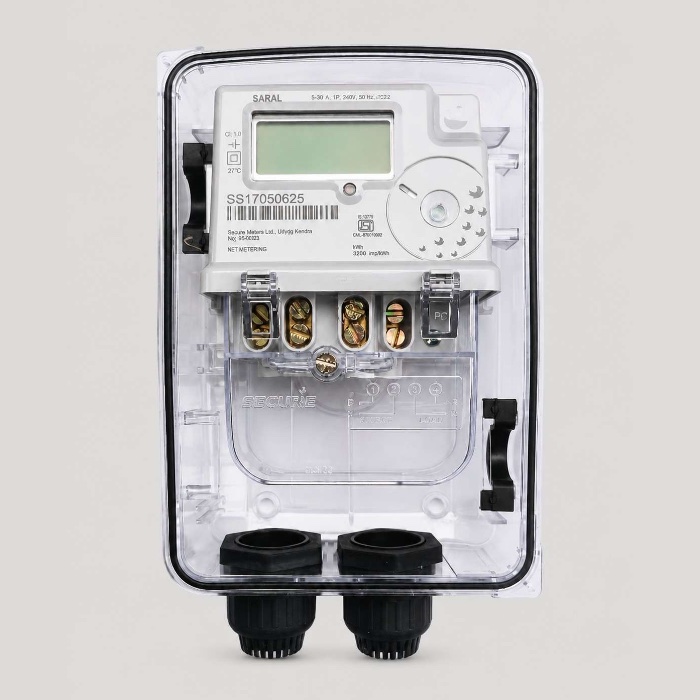


National Solar System is prominent Solar Meter Manufacturers, Suppliers, Dealers, Traders, Wholesalers and Exporters in Pune. We offer dependable Solar Power Meter solutions designed to ensure accurate energy measurement and efficient solar power management. Our solutions include a Net Meter for Solar System installations to support reliable energy measurement.
We are committed to providing quality products at competitive prices for residential, commercial, and industrial applications. Our range of solar meters helps monitor electricity generation, consumption, and energy exchange with the utility grid.
With a focus on product reliability, practical functionality, and customer satisfaction, we support homeowners, businesses, and solar professionals in making informed energy decisions. Our Solar Energy Monitoring System solutions help improve energy visibility while supporting efficient solar installations and long-term performance.
What Is a Solar Meter and How Does It Support Efficient Solar Energy Management?
A solar meter is a specialized electrical instrument that measures the electricity produced by solar panels, used by electrical loads, or transferred between a solar installation and the utility grid. Depending on the model, a Solar Generation Meter tracks overall power production, while a Solar Bidirectional Meter records electricity flowing in both directions. A Bidirectional Energy Meter supports two-way energy measurement, helping homeowners and businesses monitor energy usage, maintain generation records, and support accurate electricity accounting for efficient solar power management.
Solar Meter Services for Residential, Commercial, and Industrial Applications
As Solar Meter Service Providers in Pune, we offer solar metering solutions to meet the energy measurement needs of different solar installations. We focus on helping customers select suitable products, understand technical requirements, and manage solar electricity efficiently.
- Solar Meter Selection: We help customers identify suitable metering solutions based on system capacity, phase requirements, installation type, and energy measurement needs, including an Import Export Energy Meter where grid exchange measurement is required.
- Residential and Commercial Solar Meter Solutions: We offer metering options for homes, offices, factories, and commercial buildings to support effective solar energy management. Our range includes a Solar Net Meter for Home installations.
- Solar Metering for Grid Connectivity: We guide customers on metering requirements for grid-connected solar installations, including electricity import and export measurement.
- Technical Product Guidance: We assist solar installers, electrical contractors, and project developers in understanding product specifications, connectivity options, and application requirements. We also provide guidance on selecting a suitable Solar Meter for Electrical Contractors working on different solar projects.
Types of Solar Meter
As Solar Meter Manufacturers, Suppliers, Dealers, Traders, Wholesalers and Exporters in Pune, we offer a complete range of meters classified by function, technology and phase, so you can match the right one to your solar system and utility requirements.
- Based on Measurement and Function
- Net Meter (Bi-Directional Meter): A Solar Net Meter records electricity imported from the utility grid and surplus solar power exported from the property, helping track the net energy balance. A compatible Bi Directional Electricity Meter measures electricity flowing in both directions. It supports electricity billing under applicable net-metering regulations and is commonly used in rooftop solar installations for homes and businesses. A Solar Export Meter can also be used in configurations designed to record electricity supplied back to the grid.
- Gross Meter (Feed-in Meter): A Solar Generation Meter measures the total electricity produced by a solar installation independently of the property's grid electricity consumption. A Solar Generation Energy Meter helps record the energy produced by a photovoltaic system. Under applicable feed-in tariff arrangements, generated electricity and imported grid power are accounted for separately according to utility policies.
- Dual / Two-Meter Setup: A Two Way Energy Meter arrangement can use separate import and export meters to record electricity flowing between the property and the utility grid. This configuration provides independent energy readings for solar installations where the electricity provider requires separate measurement.
- Solar Generation (PV) Meter: A Solar PV Meter measures the electrical energy produced at a designated point in a photovoltaic system to help track overall generation. Depending on the installation, an AC Energy Meter for Solar or a DC Energy Meter for Solar can be selected to measure energy on the appropriate side of the system. A Solar Plant Generation Meter can be selected for applications requiring dedicated solar generation readings.
- Based on Technology
- Electromechanical (Analog) Meter: This traditional electricity meter uses a rotating aluminium disc and magnetic fields to measure energy consumption through mechanical movement. Its readings are displayed on a mechanical counter, making it more common in older installations than in modern solar monitoring applications.
- Digital / Electronic Solar Meter: A Digital Solar Energy Meter uses electronic components to measure electricity generation, consumption, or grid exchange with clear numerical readings. Its LCD or LED display presents accumulated energy in kWh, while additional measurement and communication features vary by model. Depending on installation requirements, a DIN Rail Energy Meter for Solar can be considered for suitable electrical panels and distribution boards.
- Smart Solar Meter: A Solar Smart Meter combines electronic energy measurement with communication functions to share readings with compatible monitoring platforms. Depending on its capabilities, a Solar Meter with Remote Monitoring can help users access energy data, review generation trends, and monitor system performance remotely. A Solar Meter with Data Monitoring can provide additional visibility when compatible communication and monitoring features are available.
- Based on Phase
- Single-Phase Solar Meter: A single phase solar net meter is commonly used in residential rooftop systems and small commercial properties with compatible single-phase electrical connections. It measures electricity import and export when supported by the selected model, with suitability determined by the installation capacity and utility requirements. A suitable Solar Meter for Residential Solar System installations should match the electrical connection and applicable utility specifications.
- Three-Phase Solar Meter: Three Phase Bidirectional Meter measures electricity flowing through three-phase systems commonly found in commercial buildings, factories, and industrial solar installations. It supports higher-capacity applications when the voltage, current rating, connection type, and metering configuration match the electrical system requirements. A Three Phase Smart Energy Meter for Solar installations can provide additional monitoring capabilities when supported by the selected model.
Technical Specifications of Solar Meter
As Solar Meter Suppliers, Manufacturers, Dealers, Traders, Wholesalers and Exporters in Pune, we share clear technical details of our meters, so you can compare ratings, accuracy and features before placing your order. A CT PT Operated Energy Meter for Solar may be suitable for specific installations depending on the current transformer, potential transformer, and metering requirements.
| Technical Parameter | Solar Irradiance / Power Meter | Solar Net / Grid-Tied Energy Meter |
|---|---|---|
| Example Models | Metravi 207, RS PRO ISM410, HTC LX-107 | Single-phase and three-phase approved net meters |
| Primary Function | Measures solar irradiance falling on a surface | Measures electricity imported from and exported to the utility grid |
| Measurement Range | Up to 1,999 W/m², depending on model | Depends on rated voltage, current, and meter configuration |
| Resolution | Typically 1 W/m² | Energy measured in kWh |
| Accuracy | Approximately ±5% or model-specific tolerance | Class 1.0 or Class 0.5S, depending on application |
| Sampling / Measurement | Approximately 0.25 seconds, depending on model | Continuous electrical energy measurement |
| Display | LCD, potentially with backlight, data hold, and max/min functions | Digital display for energy readings and supported parameters |
| Electrical Configuration | Handheld, sensor-based measuring instrument | Single-phase, 2-wire or three-phase, 4-wire |
| Rated Voltage | Not applicable; model-specific sensor electronics | Typically 240V phase-to-neutral or 415V three-phase, as applicable |
| Current Rating | Not applicable to irradiance measurement | Common configurations include 5–30A or 5–60A, depending on model |
| Rated Frequency | Not applicable to irradiance measurement | Typically 50 Hz, subject to the specified tolerance |
| Communication Interface | Generally local display; model-dependent | RS-232, RF, DLMS, BLE, or cellular, where supported |
| Operating Conditions | Typically 5°C to 40°C and below 80% relative humidity for the stated profile | As specified in the manufacturer's datasheet |
| Power Supply | 9V battery or AAA alkaline batteries, depending on model | As specified for the meter, including its auxiliary supply requirements where applicable |
| Safety and Tamper Protection | Depends on instrument design | May include reverse connection detection, neutral disturbance detection, and magnetic interference protection |
| Main Applications | Solar site surveys, irradiance testing, and panel performance assessment | Rooftop solar systems, residential net metering, and commercial or industrial solar installations |
Key Features of Solar Meter
As Solar Meter Dealers, Traders, Suppliers, Manufacturers, Wholesalers and Exporters in Pune, we focus on meters built with dependable features that deliver accurate readings and smooth performance in everyday use.
- Accurate Energy Measurement: A reliable Solar Electricity Meter measures electricity generation, consumption, or grid exchange to support dependable energy records and efficient power management.
- Bidirectional Measurement Capability: Solar Import Export Meter records electricity drawn from the utility grid and surplus energy supplied back to it, depending on the meter configuration.
- Clear Digital Display: A Solar Meter with LCD Display presents accumulated energy readings in an easy-to-read format, simplifying routine inspections and performance checks.
- Flexible Metering Configurations: Available single-phase, three-phase, and CT-operated models accommodate different electrical loads and solar installation requirements. A CT Operated Solar Energy Meter can support installations requiring current transformer-based measurement.
- Smart Monitoring Compatibility: An IoT Solar Energy Meter with supported communication features can transmit energy data to compatible monitoring platforms for convenient remote access. A Panel Mounted Solar Energy Meter may also be suitable for installations that require meter readings directly from an electrical panel.
Benefits of Solar Meter
As Solar Meter Wholesalers, Dealers, Traders, Suppliers, Manufacturers and Exporters in Pune, we help our customers see how the right meter improves energy tracking, billing clarity and overall solar system management.
- Improved Energy Awareness: A suitable Solar Monitoring Meter helps users understand solar generation, electricity consumption, and grid dependency through recorded energy readings.
- Better Electricity Billing Visibility: A properly configured Residential Solar Net Meter helps track imported and exported electricity for applicable utility billing arrangements. A suitable Solar Meter for Home Electricity can support clear energy records.
- Efficient Solar Performance Evaluation: Generation readings help identify variations in energy output and support timely inspection of the solar power system.
- Informed Energy Management: A Solar Power Monitoring System helps homeowners and businesses review energy usage patterns and identify opportunities to improve solar power utilization. A Solar Plant Monitoring Meter can help operators review generation data for applicable installations.
- Support for Long-Term Cost Management: Reliable energy measurement helps users assess solar system performance and make informed decisions about maintenance, upgrades, and electricity consumption.
Applications of Solar Meter
As Solar Meter Exporters, Wholesalers, Dealers, Traders, Suppliers and Manufacturers in Pune, we supply meters suited to homes, businesses, industries and large solar projects, along with the tools needed for solar site assessment.
- Residential Rooftop Installations: A Solar Rooftop Net Meter measures grid electricity import and solar energy export in compatible home solar systems. A suitable Rooftop Solar Energy Meter helps record energy exchange for applicable installations.
- Commercial Buildings: A Commercial Solar Meter helps offices, shopping complexes, and business premises monitor solar generation and electricity exchange. A Solar Generation Meter for Commercial Plant applications can support generation measurement for suitable commercial installations.
- Factories and Industrial Facilities: An Industrial Solar Meter supports energy measurement in manufacturing plants and facilities with high electricity demand. A Three Phase Solar Meter for Industry can be selected according to the site's electrical configuration and metering
- Utility-Scale Solar Projects: A Utility Scale Solar Meter records electrical energy for plant monitoring, generation reporting, and applicable commercial metering requirements.
- Apartment Societies: Suitable metering equipment helps housing communities monitor solar electricity used for common lighting, lifts, pumps, and other shared facilities.
- Battery Energy Storage Systems: Compatible meters track electricity flowing between solar installations, battery storage, electrical loads, and the utility grid.
- Electric Vehicle Charging Stations: Appropriate energy meters measure electricity supplied to charging equipment and help assess energy usage in solar-integrated EV charging facilities.
- Solar Installation and Maintenance: A handheld solar irradiance meter helps technicians evaluate sunlight conditions during site assessments, panel testing, and system performance checks.
Availability of a Solar Meter Subsidy or related financial assistance depends on the applicable government scheme, installation category, and local electricity distribution company requirements. Customers should verify current eligibility conditions and approved equipment requirements with the relevant authorities before purchasing or installing a meter.
Why Choose Us?
- Quality-Oriented Product Selection: We focus on offering solar metering solutions with clearly defined technical specifications to help customers select products suited to their electrical and energy measurement requirements.
- Competitive Pricing for Diverse Projects: We aim to provide cost-effective options for residential, commercial, and industrial installations without overlooking essential product specifications and application needs.
- Practical Technical Assistance: We help customers understand meter configurations, phase compatibility, current ratings, and monitoring features to support informed purchasing decisions.
Choose National Solar System is leading Solar Meter Manufacturers, Suppliers, Dealers, Traders, Wholesalers and Exporters in Pune. We offer practical solar metering solutions designed to support accurate energy measurement and efficient power management. We focus on quality, competitive pricing, and application-based product selection to serve residential, commercial, and industrial customers. Our goal is to help customers monitor solar energy with confidence. Connect with us for further information.
FAQ’s
A solar net meter records the energy you import from and export to the grid. A solar generation meter records only the units your solar panels produce.
Most electricity boards ask for a net meter if you want to send extra power to the grid and get billing credit. Rules differ by state, so check with your local utility before installing.
It measures electricity flowing in both directions, from the grid to your home and from your solar system to the grid. The difference between the two decides your final bill.
A single phase bidirectional net meter suits most homes with rooftop solar. Our team can help you pick the right size based on your connected load and utility norms.
A normal meter records only one direction of power flow, so it cannot track exported units properly. A solar import export meter is needed for correct readings.
Class 1.0 works well for homes and small setups, while Class 0.5S is preferred for industrial and large commercial plants. Higher accuracy means more reliable billing and reporting.
Yes, an IoT solar energy meter sends live data to your phone or computer. You can track daily output and spot any drop in performance from anywhere.